Plain language isn't just about the words you choose

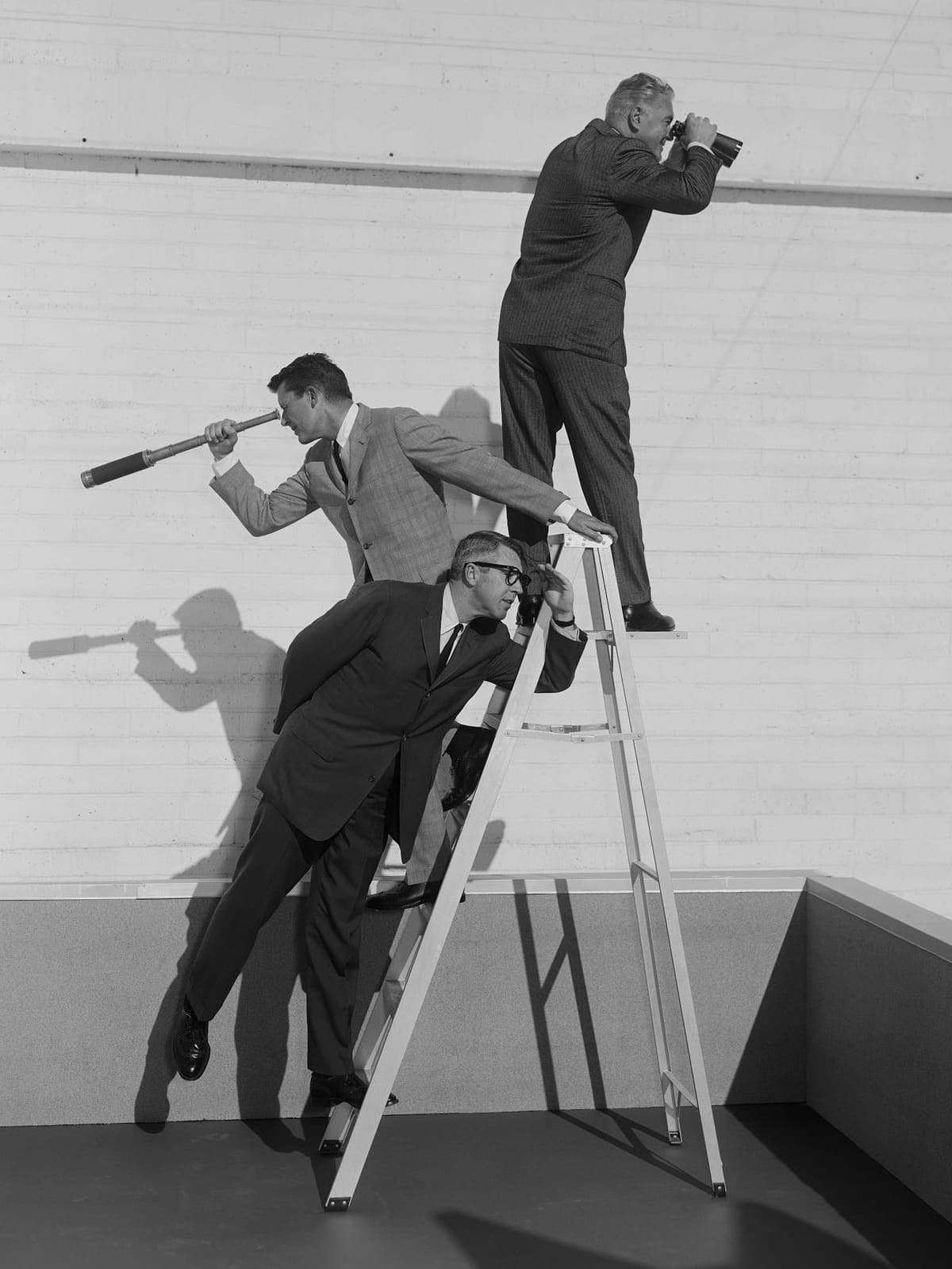
Your readers don't have time to hunt for information. They need to find what matters in seconds, not minutes.
That's why plain language isn't just about the words you choose. It's about how you present them.
Think about the last report you read. Did you scan the headings first? Did you skip to the summary? Did you look for bullet points or tables?
Your readers do exactly the same thing.
Here are some tips to make your documents more readable:
- Clear headings that tell readers what's coming. Not "Overview" or "Background" but "Why we need to change the budget process" or "Three risks we must address now."
- White space that gives the eye somewhere to rest. Dense paragraphs tire readers. Short paragraphs with breathing room keep them engaged.
- Bullet points that break down complex information. Lists are easier to scan and remember than long sentences packed with multiple ideas.
- Captions that explain tables and charts. Don't make readers guess what the numbers mean. Tell them directly.
- Consistent formatting that creates a visual hierarchy. Readers should know at a glance what's important and what's detail.
Your job isn't to impress people with dense prose. It's to help them understand, decide, and act. Make it easy for them.