A new name — same focus on writing that works


Most accountants and auditors don't trust their readers. And it shows in their writing. They repeat themselves, use jargon when plain words would do, and explain things twice, just in case. This backfires. When readers get a dense, jargon-heavy document, one of two things happens: • They struggle through
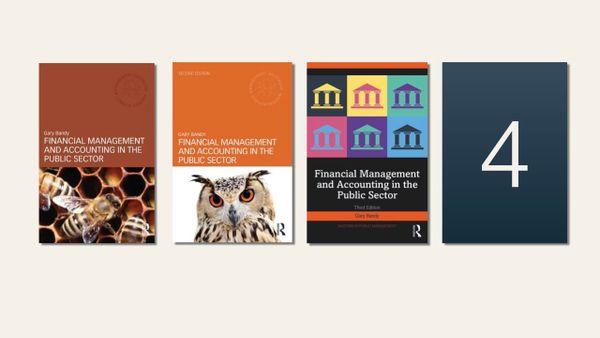
I signed a contract today for the 4th edition of Financial Management and Accounting in the Public Sector. It will be published by Routledge in early 2028. The 4th edition will include new material on: * Gender budgeting * Sustainability reporting * The use of AI in public finance. These aren't
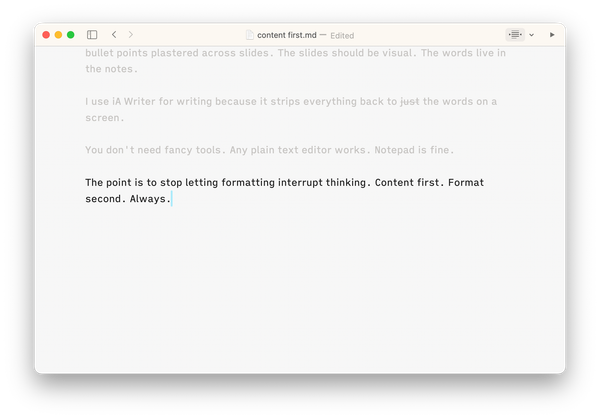
Office workers spend 31% of their time in MS Office on formatting. That's more than a day a week spent on fonts and margins instead of thinking. The real problem is not the formatting itself. It's that people open Word or PowerPoint before the content is

It's unread because of three fixable mistakes. Most unread documents aren't ignored because the content is bad. They're ignored because of structure and presentation failures that are entirely fixable. 1. Put your bottom line first. You know the numbers inside out. So you present